

Big changes in life, even when difficult, are often a good thing. It creates the opportunity to reset our priorities and focus on what’s important. For some, this means finding ways to prioritize your physical and mental/emotional health.
We’re sharing a few things you can consider trying:
1. Take a walk in nature
Get active and take a walk around your neighbourhood or go for a walk in the park. Even a short walk can help you to get steps in, maintain your physical health, reduce stress and anxiety, and connect with nature. While you’re walking, try not to be distracted by your phone and take notice of the things you see and hear outside.
If a walk is feeling too daunting, just stand outside for a few minutes. A little fresh air and time away from the screen will do you some good, trust us.
2. Try keeping a journal
Journaling can help you to manage your stress and fears. If you don’t know what to do, then just start writing things down. Oftentimes, problems seem much more complicated and scary in our minds. Journaling is a form of mindfulness, where you can gain perspective, release emotions, self-soothe, or work through and prioritize your next steps.
3. Cook a healthy meal
A healthy diet is important to maintain your physical and mental health. Planning ahead and meal-prepping ensures that you have healthy food on hand and will be less likely to snack on junk food or order fast food.
A nutritious diet also ensures that your body has the energy needed to complete day-to-day activities and can help boost your mood.
4. Meditate daily
Meditation can take many forms. There are formal meditation practices as well as informal meditation practices. Formal meditation might include meditation classes or yoga. Informal meditation practices involve weaving mindfulness into regular activities, like washing dishes or taking mindful walks.
Regardless of how you choose to meditate or incorporate mindfulness into your regular routine, you should eventually see benefits like reduced anxiety and stress, increased patience and creativity, better sleep, increased focus, and improved mood.
5. Take a class
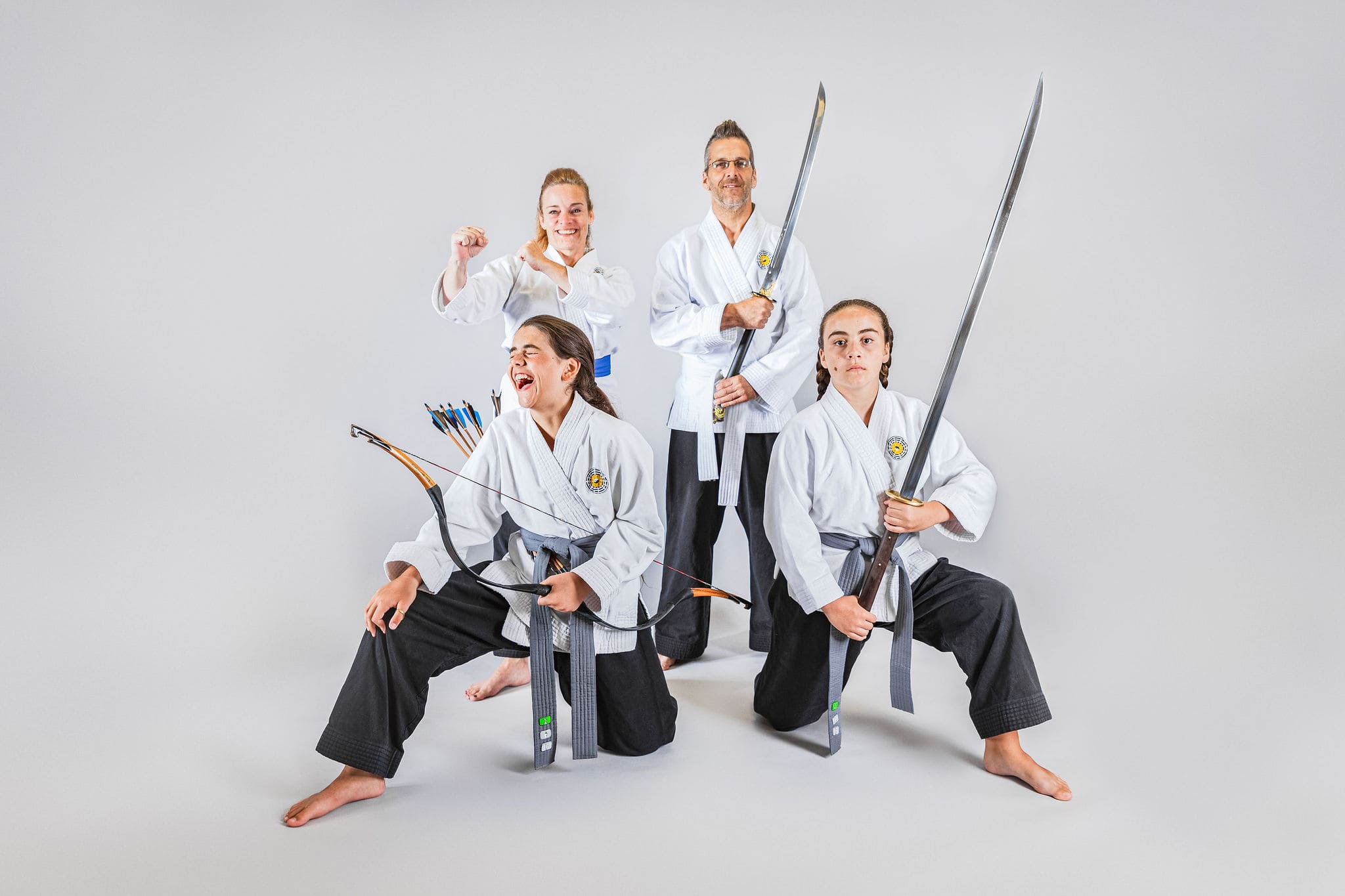
We’d be remiss if we didn’t include taking a class on this list. If you’ve read any of our other blogs, you already know about the numerous benefits of taking Pa Kua classes. For example, increased confidence and self-efficacy; improved focus and self-discipline; increased stamina, strength, coordination, and flexibility; and of course, all of our classes include an internal reflection component focused on cultivating mindfulness.
Our classes are geared toward all levels of experience and skill, so no need to worry if you’ve been inactive lately or are ready to step up to a new challenge. We’re happy to work with you and bring you out of your comfort zone in a safe environment.
Plus, an added benefit of taking a class is that it keeps you more accountable to exercise and you have an opportunity to build connections with people with similar interests.
Come join us for a free trial week.
6. Call a friend
What’s better than coming to a Pa Kua class? How about coming with a friend?
Whether or not you choose to bring a friend to a class or you’re just taking 15 minutes to catch up, a quick phone chat can be an immediate mood booster and benefit your emotional health. In fact, we challenge you to call at least one friend this week.
7. Consider talking to a therapist
Mental health is challenging to maintain and sometimes difficult to talk about within your circle. And it’s no secret that many people have been struggling with stress and feelings of burnout over the last few years.
If you need to talk to someone, reach out to a therapist or support line. Many employer and student benefit programs offer this for free, and the Government of Canada has some programs available for free to Ontario residents.
We hope you found some of these tips helpful. Learn more about the benefits of our classes for building confidence and boosting your physical and mental health.


